


Discounts vs Loyalty Programs
Attracting customers may not be your biggest challenge. The real question is: what works better — discounts or loyalty programs?
The best marketing strategy is usually a combination of both. Price reductions help drive short-term conversions and immediate sales, while loyalty programs focus on long-term customer retention and higher customer lifetime value. When used together, businesses can boost immediate revenue while also boosting customer retention.
Platforms like KlikNGo CRM are designed with the idea of helping businesses recruit, reward, and connect with customers after their first purchase and throughout their entire journey.
Short-Term Sales vs Long-Term Customer Retention
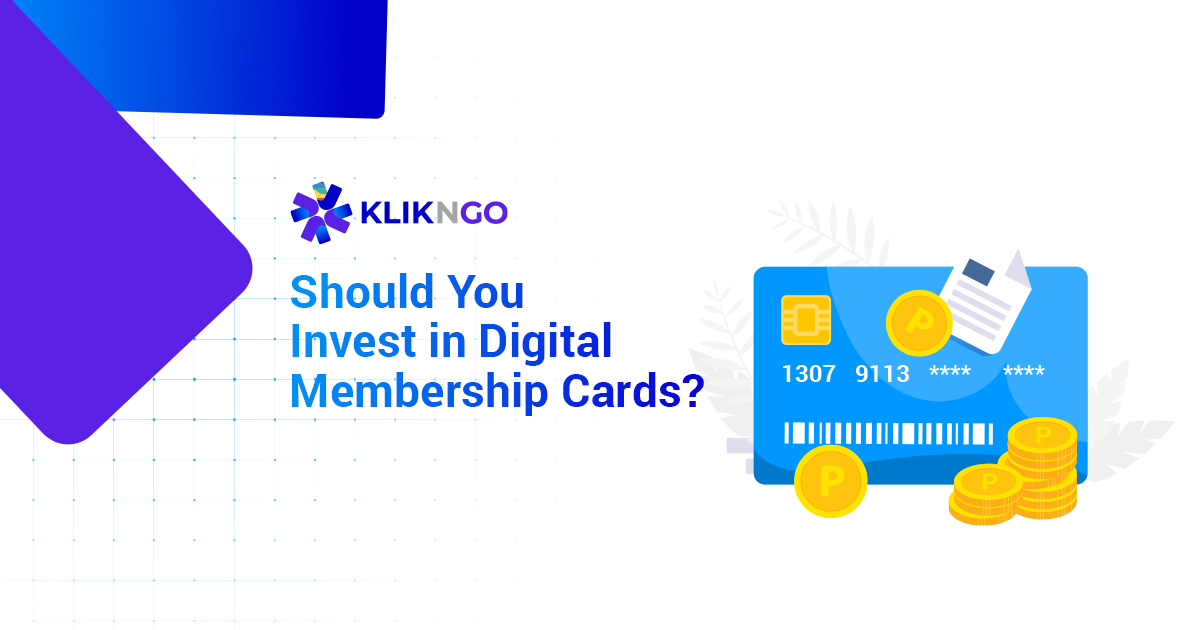
Customer loyalty programs are essentially a structured approach to provide an engaging customer experience through incentives such as rewards points systems, member tier and referral, gift cards, and e-stamps.
Discounts reduce prices through promotions such as seasonal clearance offers, or first-time purchase deals. They are effective for attracting new customers and driving immediate sales.
The difference is timing. Discounts create instant savings and short-term action, while loyalty programs build long-term relationships and repeat behaviour. Both strategies are useful when applied at the right moment.
When Discounts Work Best
- First-Time customer hesitation: Reduce friction for trial run
- Time-Sensitive inventory: Clearance sales and seasonal stock
- Re-activation campaign: Bring back customers with dwindling interest
- New product launches: Create urgency without affecting perceived value
Why Retention Matters More Than You Think?
Discounts are effective for short-term sales, but loyalty programs provide a more sustainable growth strategy.
Many businesses use reward systems mainly for points and discount rewards. But when programs focus only on transactions, they become commodities. Customers chase rewards instead of building a genuine connection with the brand.
Over time, this weakens brand affinity and undermines the real foundations of loyalty: trust, transparency, and meaningful engagement.
This is why many modern loyalty ecosystems rely on systems like reward points that accumulate over time, giving customers a stronger sense of progress and achievement.
High-performing membership platforms do more than collect sign-ups. They create continuity, reward long-term engagement, and give higher-tier members a sense of belonging.
Trust and Customer Experience: Why Customers Stay
Trust plays a critical role in whether a loyalty program strengthens or weakens customer relationships.
A Simple Checklist to Improve Customer Experience and Build Trust:
- Earning and redemption rules are clear
- Rewards feel achievable (progress is visible)
- Redemption is reliable (no surprises at checkout)
- Points and perks feel fair across different customer types
When customers understand the rules and feel the system benefits them, they engage more consistently. This clarity builds confidence, deeper brand connection, and stronger long-term loyalty.
Marketing Amnesia: Why Customers Forget Your Brand
When customers fail to remember a brand after their first interaction, it’s known as marketing amnesia.
Without a retention strategy, customers may purchase once and quickly move on. Retention programs help prevent this by giving customers ongoing reasons to return and engage with the brand.
Features like referral programs also encourage customers to share the brand with others, increasing visibility and recall.
Businesses sometimes abandon strategies that are already working and replace them too quickly with new tactics. This resets customer recognition and disrupts growth.
Loyalty systems solve this by creating consistent engagement. They motivate customers to return while giving businesses structured data to track results and refine strategies over time.
When Promotions Hurt Revenue Growth?
Markdowns work best in moderation. When used too often, they train customers to wait for deals instead of paying full price.
Over time, repeated promotions can weaken the perceived value of a product. Customers start expecting discounts and delay purchases until the next one appears.
This is where many businesses go wrong. They focus on short-term sales by constantly lowering prices, instead of building long-term loyalty through meaningful rewards and engagement.
That is why discounts should be controlled with:
- Set clear time limits
- Specific use cases such as reactivation or clearance
- Member-only eligibility where needed
Instead of driving one-time action, loyalty programs are designed to build long-term engagement. Tools like reward points, digital e-stamps, and gamified progress systems give customers a reason to keep coming back. That sense of progress increases the chance of repeat visits and reduces the chance of switching to a competitor.
Strong loyalty programs also go beyond discounts. The most effective ones include experiential benefits such as:
- Birthday or anniversary rewards
- Early access to new launches
- Members-only promotions or events
- Priority service
- VIP tiers
The Smart Strategy: Acquire with Discounts, Retain with Loyalty
Discounts and loyalty programs don’t have to compete—they work best together.
Businesses can use discounts to attract new customers, then use loyalty programs to keep them engaged and encourage repeat purchases.
A good example is member-only discounts. These offers are available only to loyalty members, combining the instant appeal of discounts with the long-term benefits of a loyalty program. This helps increase customer lifetime value while encouraging repeat visits.
Loyalty programs also generate valuable customer data that can strengthen CRM strategies. Businesses can track purchase frequency, visit patterns, preferences, website activity, reward redemptions, and campaign performance. This information helps companies understand customer behaviour, personalise offers for different segments, automate rewards, and improve customer engagement over time.
Platforms like KlikNGo enable this strategy by integrating discounts, structured loyalty rewards, and CRM tools within a single platform. Rather than depending only on price reductions, businesses can motivate customers to return, accumulate rewards, and leverage customer insights to deliver more personalised and effective engagement.
Conclusion: The Takeaway for Customer Retention
Loyalty programs are a long-term investment focused on building sustainable customer relationships, whereas reductions are short-term incentives.
Relying too heavily on price cuts whenever demand begins to decline can accumulate in costs and significantly reduce profit margins.
Our Takeaway
Use discounts to spark action and get customers in the door. Use loyalty to build trust, continuity, and a solid reason for customers to return.